Written by: Tosha Vann, MD
The moment my nurse gave me the look, I braced myself.
It was a two-month-old checkup—a visit I usually enjoy. I'd spent the first two months getting to know the family, building trust one question at a time. I answered questions about newborn rashes, weird baby breathing patterns, and why their perfectly healthy infant insists on crying for two hours straight every evening starting at 6:00 p.m. on the dot.
The two-month visit is the first big vaccine visit—the moment when all that trust we’ve built is suddenly put on trial.
The mom I saw yesterday was young, soft-spoken, and kind. She held her baby with the gentle protectiveness I see in many new parents. My nurse said she had questions about vaccines, so I opened the door, ready to discuss side effects, immune responses, or how we know vaccines are safe.
But instead, she just gave a small shrug and said:
“I know vaccines prevent diseases… but I don’t know. I just hear so much stuff. It makes me nervous . . . I’m just not that big on vaccines.”
Not that big on vaccines.
As if they were a new streaming service or a trendy meal kit — not something tied to decades of scientific progress and public health success.
And right there, I felt stuck.
Because what she was saying wasn’t a question. It wasn’t even a specific fear. It was a feeling — a vague sense of unease, like something was off, even if she couldn’t name exactly what.
I can explain how vaccines work and walk her through the science, rigorous safety testing and layers of oversight designed to protect her baby. But none of that matters if the feeling is wrong.
That’s the most challenging part of vaccine hesitancy today.
It’s no longer about concerns I can address, like specific ingredients or the timing of the schedule. It’s about something softer — a fog of anxiety created by headlines, social media whispers, and that one mom in the Facebook group who always has a link.
Parents aren’t drowning in facts. They’re drowning in fear.
And they don’t know where the fear is coming from — they just know it’s there.
That unknown fear makes these conversations so much more complicated than they used to be. When parents came in worried about autism, I could talk about the overwhelming scientific evidence that vaccines don’t cause it. When they were nervous about “too many, too soon,” we could walk through how babies’ immune systems handle far more every day just by crawling on the floor.
But now?
Now, it’s not about a single concern. It’s about the background noise — a constant hum of mistrust that seeps in from everywhere. Science itself has been reframed. It’s no longer a process of learning and improving. These days, if science isn’t perfect from the start, it’s corrupt. Doctors aren’t seen as trusted experts — we’re either infallible or in on some shadowy scheme.
Parents are left to navigate this maze alone, clutching at whatever feels safest — even if that means avoiding vaccines altogether.
The hardest part, for me, isn’t just that they’re scared. It’s that they don’t always know what they’re afraid of. And if they can’t name their fear, I can’t speak to it.
I left that visit feeling like I’d failed. Not because I didn’t have answers — but because I didn’t even know which answers to offer.
I am starting to dread the 2-month check-up. Am I walking into a 15-minute conversation about nothing? Is this the last time I will see this family? Did I choose the wrong career?
It is exhausting, and I fear a future where facts are subjective and feelings are responsible for the resurgence of preventable diseases.
But I’ll keep showing up. I’ll keep having these conversations, even when they feel impossible. I’ll keep giving facts, yes — but also patience, empathy, and a safe place to say, “I’m scared, and I don’t know why.”
Because, at the end of the day, my job isn’t to convince parents to vaccinate. It’s to make sure they feel safe and confident in their decisions
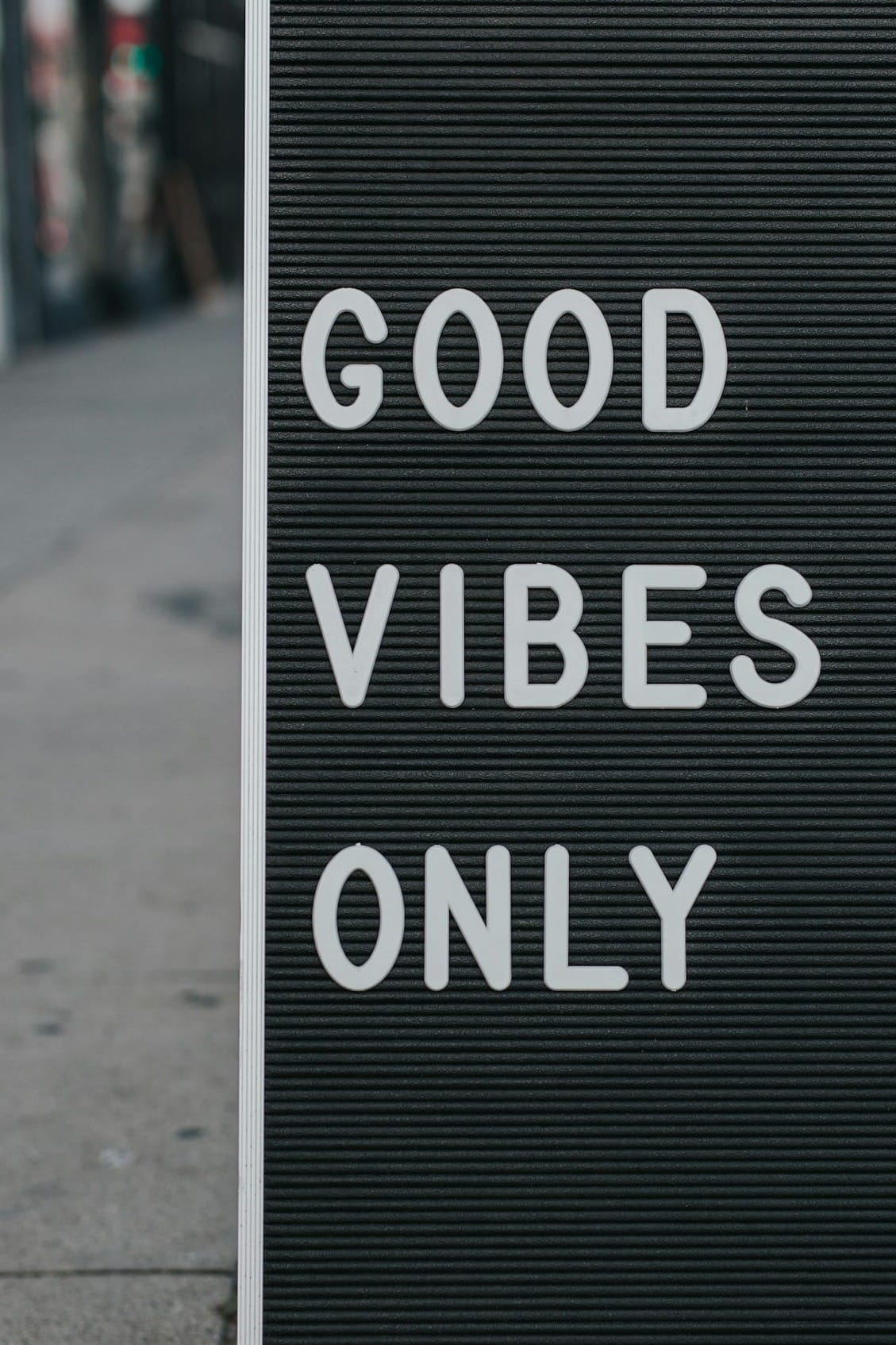
And some days, I really do wish I could just prescribe better vibes.